







Search Results for: fruit cultivation
Core Knowledge for Coffee Bean Selection: A Full Analysis from Plant Characteristics to Product Quality
Coffee beans are the starting point for brewing a good cup of coffee, and understanding their origins and journey is essential to choosing the right raw materials. This article systematically covers the botanical characteristics of coffee, the structure of its fruit, the main cultivated varieties and their flavor differences. It also explains in detail how the two processing methods—dry and wet—affect quality, and introduces the global production and trade landscape along with import quality standards. The article specifically mentions recommendations from the Front Street brand to help coffee lovers make well-informed choices in their daily purchases. [more…]
A Comprehensive Analysis of Yunnan Coffee Beans' Flavor, Taste, and Cultivated Varieties: From Typica to Catimor, the Terroir of the Origin
Yunnan, as China's core coffee-producing region, has always attracted attention for the flavor and varietal characteristics of its coffee beans. Starting from its historical origins, this article systematically reviews the main cultivated varieties of Yunnan coffee—Typica, Catimor, and Bourbon—including their respective flavor profiles and cultivation characteristics, and introduces international and domestic grading standards, the growth cycle, and brewing suggestions. In addition, the article also features the cultivation experience and cupping feedback from Front Street Coffee's own estate in Lincang, Yunnan, helping coffee enthusiasts gain a comprehensive understanding of Yunnan coffee from seed to cup. [more…]
A Comprehensive Analysis of Coffee Cultivation and Varieties in Yunnan: Flavor Comparison of Catimor and Typica and Front Street's Practices in the Producing Region
Yunnan, as China's core coffee-producing region, has performed impressively in the specialty coffee market in recent years. This article focuses on the planting varieties, growing region conditions, and processing methods of Yunnan coffee, with emphasis on introducing the characteristic differences between the two major varieties, Catimor and Typica. It reviews the terroir overview of major producing regions such as Dehong, Baoshan, Lincang, and Pu'er, and shares Front Street Coffee's production philosophy of cultivating Typica in Baoshan and adhering to washed and natural processing. The article also includes specific information on three products—Front Street 2013 Typica, Yunnan Small-Bean Catimor, and Yunnan Natural Catimor—as well as roasting and pour-over parameter suggestions, making it suitable for enthusiasts who wish to gain a deeper understanding of Yunnan coffee. [more…]
An analysis of the origin, flavor characteristics, and current cultivation status of Catimor CIFC7963, the main variety of Yunnan small-bean coffee.
In Yunnan's coffee cultivation area, the Catimor variety occupies an absolutely dominant position, with about ninety percent of production coming from this hybrid. Catimor CIFC7963 was bred by the Portuguese Coffee Rust Research Center, combining the disease resistance and high yield of Robusta with the sweet-and-sour flavor of Arabica, but its flavor complexity is relatively limited, often described as dominated by nutty and brown sugar notes. Meanwhile, the Typica variety, which was the earliest introduced to Yunnan, has gradually been replaced due to its low yield and weak disease resistance. Front Street Coffee has been cultivating Typica in Lincang, Yunnan since 2013, and after years of cultivation, its natural process presents full-bodied flavors of caramel, berries, and black tea. This article will systematically sort out Catimor's genetic background, flavor performance, and the context of variety replacement in Yunnan coffee, and share the brewing parameters for Front Street Yunnan coffee. [more…]
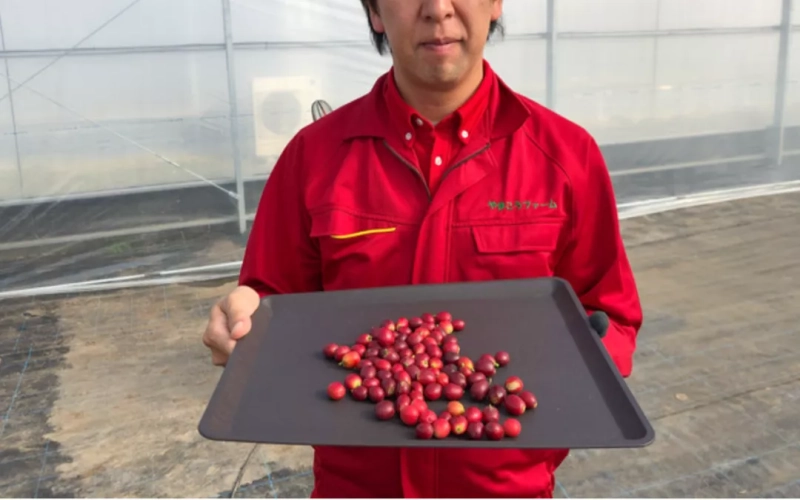
Okayama's Sanko Farm in Japan Successfully Cultivates Native Coffee Trees, First Domestic Coffee Beans Expected to Be Harvested in February
Coffee cultivation has long been concentrated in the coffee belt between the Tropic of Cancer and the Tropic of Capricorn, and Japan, with its cold climate, had never achieved commercial cultivation on its own soil. However, after years of exploration, Yamago Farm in Okayama City has finally succeeded in getting Typica coffee trees to flower and bear fruit in a greenhouse, and is expected to harvest Japan's first-ever domestically grown coffee beans in February 2022. Farm owner Kosuke Yamamoto has also launched the "Japan Organic Coffee Project," providing saplings and technical support to interested growers. Can this breakthrough open up a new path for Japan's coffee industry? This article will take you through Yamago Farm's cultivation journey, the technical details, and its future prospects. [more…]

Heytea promises no price increases this year and stops selling drinks priced above 30 yuan; its affiliate adds fruit planting to its business.
Competition in the new-style tea beverage sector is becoming increasingly fierce, with brands constantly adjusting their strategies on products and pricing. Heytea has made a flurry of moves recently: on one hand, it announced that it will not raise prices this year and will no longer launch drinks priced above 30 yuan; on the other hand, its affiliated company added fruit cultivation to its business scope, attempting to control costs from the source. At the same time, Heytea is also facing controversies over layoffs and internal management. This article will sort out the logic behind Heytea's moves, as well as the trend of the new-style tea beverage industry extending upstream into cultivation, and will also briefly discuss the similar path in the coffee sector from brewing to cultivation. [more…]

Why High-Altitude Cultivation Creates Specialty Coffee: A Comprehensive Comparison of Arabica and Robusta Beans
Coffee, as an evergreen shrub in the Rubiaceae family, is mainly cultivated in two major categories: Arabica and Robusta, with specialty coffee mostly coming from Arabica branches such as Typica, Bourbon, and Caturra. About 70 countries worldwide grow coffee in tropical and subtropical regions between 25 degrees north and south latitude, and it usually takes three to five years from sowing to first flowering. This article will provide a detailed introduction to the complete growth cycle of the coffee tree from seedling cultivation and flowering to fruit ripening, and systematically compare the core differences between Robusta and Arabica in terms of growing altitude, flavor characteristics, and share of production. At the same time, for coffee lovers who prefer a rich, oily mouthfeel, the article also specifically recommends two espresso beans containing Robusta components, Front Street Classic Blend and Front Street Commercial Blend, to help readers understand coffee varieties and purchasing directions more comprehensively. [more…]

Analysis of Coffee Tree Potted Cultivation and Growing Region Conditions: From Plant Classification to Artificial Planting Practices
Coffee, this everyday beverage, originates from the fruit of the coffee tree. This article begins with its botanical classification and systematically examines the origins, growth habits, and suitable cultivation regions of the coffee tree. The coffee tree belongs to the genus Coffea in the family Rubiaceae and is an evergreen shrub, naturally distributed across the "Coffee Belt" between the Tropic of Cancer and the Tropic of Capricorn. Beyond commercial cultivation, the coffee tree can also be grown as an ornamental potted plant, displaying its unique charm in artificial environments. The article will explain in detail the coffee tree's growth cycle, pruning management, and planting applications in coffee shops, accompanied by multiple images to aid explanation, helping coffee enthusiasts gain a more comprehensive understanding of this plant's natural and cultivated growing requirements. [more…]
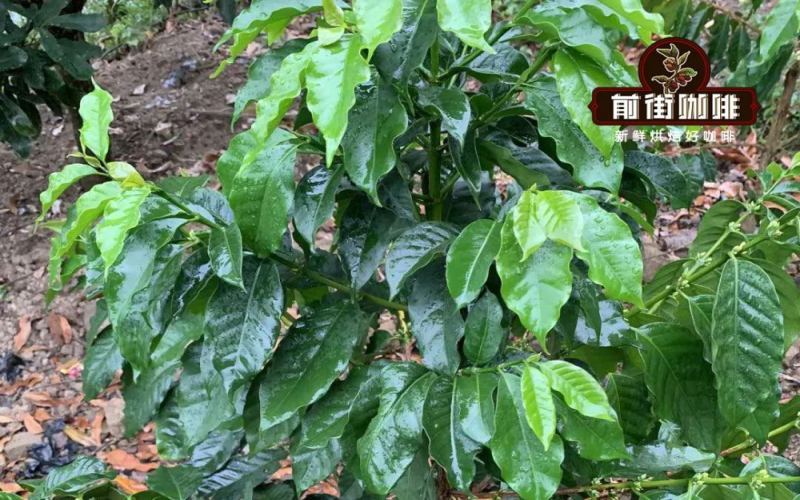
The Origin and Global Spread of Typica Coffee Beans: Variety Characteristics, Cultivation Process, and an Analysis of Front Street Blue Mountain Flavor
Typica is one of the oldest varieties of Arabica coffee. Starting from Ethiopia, it traveled through Yemen, India, Europe, and Southeast Asia, eventually taking root in Central and South America, shaping the landscape of coffee-producing countries worldwide. This article outlines the varietal characteristics and global spread of Typica coffee beans, explains in detail the complete growth process from seed selection, germination, and seedling cultivation to flowering, fruiting, and harvesting, and uses Jamaica Front Street Blue Mountain Coffee as an example to share roasting parameters, cupping reports, and brewing suggestions, giving you a comprehensive understanding of this classic variety. [more…]
Yunnan Small-Bean Coffee Flavor Profile and Full Analysis of Its Origins and Varieties: How Good Is the Quality of Arabica Beans, Really?
As the main force of China's domestic coffee industry, Yunnan small-bean coffee has attracted increasing attention from coffee lovers in recent years. From 1892, when a French missionary planted the first coffee tree in Zhukula Village, to today, when its planting area accounts for more than 70% of the country's total, Yunnan coffee has traveled a long and unique road. This article will systematically review the cultivation history, main producing areas, variety composition, growth cycle, and flavor performance of Yunnan small-bean coffee, and, combined with cup quality analysis, explore the true quality level of Yunnan Arabica coffee beans. Whether you are a beginner just starting out or a seasoned enthusiast, you can gain a more comprehensive understanding of Yunnan coffee from it. [more…]
How to Raise Coffee Seedlings and Establish a Plantation? A Systematic Cultivation Guide from Propagation and Planting to Pruning and Fertilization
The flavor foundation of a good cup of coffee is laid the moment the seed touches the soil. This article systematically outlines the complete technical chain of coffee from seedling propagation to plantation management: seed collection and washing in seed propagation, nursery establishment, germination acceleration and transplanting, and seedling-stage care; the key operational points of cutting and grafting in asexual propagation; and then extends to coffee plantation site selection and planning, land clearing and field planting, shade tree configuration, single-stem and multi-stem training and pruning techniques, as well as soil management measures such as weeding and mulching, deep plowing and soil improvement, and irrigation and fertilization. For enthusiasts who wish to gain a deeper understanding of the logic of coffee cultivation and build a systematic awareness from origin to cup, this is a solid technical reference. The variety terminology and operational standards involved in the [more…]
A Comprehensive Analysis of Suitable Regions for Coffee Tree Cultivation and the Growing Conditions for Specialty Coffee
The coffee tree is an evergreen plant belonging to the Rubiaceae family, and what we commonly call coffee beans are actually the seeds of its fruit. Climate is the core factor determining coffee cultivation. Coffee trees are only suitable for growing in tropical and subtropical regions, and the "Coffee Belt" between 25 degrees north and south latitude is their main planting area. However, being located within this region does not mean that high-quality coffee can be produced everywhere; conditions such as temperature, rainfall, soil fertility, sunlight intensity, and altitude must all match strictly. This article will provide a detailed overview of the most ideal growing environment for coffee trees and introduce a herbaceous coffee that can be cultivated in most parts of China, while also retaining related recommendations from the Front Street brand. [more…]
From Cultivation to Processing: A Comprehensive Guide to Specialty Coffee Basics and Coffee Tree Varieties
Coffee has become an indispensable beverage in many people's daily lives, but behind a good cup of coffee lies a complete chain from coffee tree cultivation, regional distribution, and varietal differences to harvesting and processing. This article will systematically introduce the basic knowledge of the coffee tree, including its botanical classification, suitable growing conditions, its white flowers and red fruit, as well as the characteristics and origins of the three major varieties: Arabica, Robusta, and Liberica. At the same time, it will also explain in detail the harvesting methods for coffee beans and processing methods such as the dry method and wet method, helping you gain a more comprehensive understanding of the ins and outs of specialty coffee. If you want to personally experience the flavor differences brought by different origins and processing methods, you may want to check out Front Street Coffee's related product recommendations. [more…]
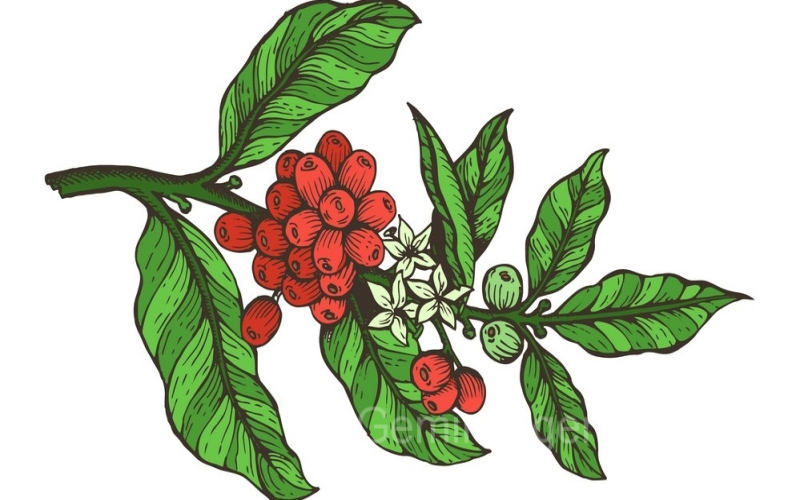
Typica Coffee Bean Variety Characteristics and Global Propagation History: Typica Cultivation and Flavor Through the Lens of Front Street Blue Mountain
Typica is one of the oldest varieties of Arabica coffee. Starting from Ethiopia, it traveled through Yemen, India, Europe, and Southeast Asia, and ultimately took root in Central and South America, shaping the map of today's coffee-producing countries around the world. This article will systematically review Typica's botanical characteristics and global spread, and provide a detailed reconstruction of how a single Typica seed grows into a coffee tree. At the same time, Front Street Coffee will combine the roasting, cupping, and brewing practices of Jamaican Blue Mountain Typica to help you experience the clarity, cleanliness, and balanced flavor of this classic variety. [more…]
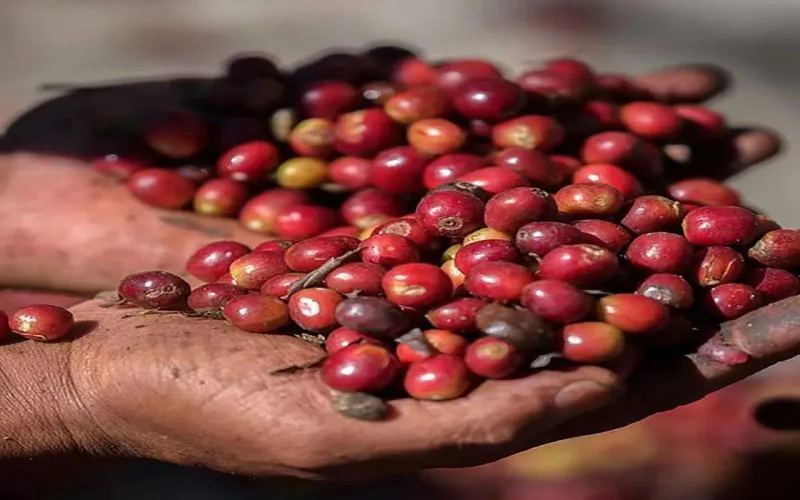
Why Are Ethiopian Coffee Beans So Uneven in Size? A Variety Analysis of the Sidamo Santaverry 74158
Ethiopia, as the birthplace of Arabica coffee, is known for beans with floral and citrus notes, but many enthusiasts notice that the coffee beans here often vary in size and shape. This is not a quality issue, but rather the result of the country's extraordinarily rich variety of coffee cultivars, diverse cultivation patterns, and a grading system that focuses on defect rate rather than bean size. This article will analyze the causes of differences in Ethiopian coffee bean morphology, introduce the three cultivation methods of garden, estate, and forest, explain the JARC digital variety series and the origin of 74158, and finally present the flavor profile of Front Street Coffee's Sidamo Santawini coffee beans. [more…]

A Century of Yunnan Arabica Cultivation and Typica Flavor Analysis: Front Street 2013 vs. Yunnan Arabica Comparison
The core production region for coffee cultivation in China is Yunnan, and the story of Yunnan coffee begins over a hundred years ago. From the first coffee tree planted by a French missionary in Zhukula, to the large-scale replacement of Typica by Catimor, and then to Front Street Coffee establishing its own estate in Lincang to select and breed Typica and launch "Front Street 2013," Yunnan coffee has undergone variety turnover and industrial upgrading. This article will trace the historical development of Yunnan coffee and the characteristics of its main production regions, explain in detail the differences among the three major varieties—Typica, Bourbon, and Catimor—and introduce the effects of two processing methods, washed and natural, on flavor. It also includes the V60 brewing parameters and flavor descriptions for Front Street 2013 and Yunnan Arabica coffee, helping coffee enthusiasts gain a comprehensive understanding of the current state and charm of Yunnan coffee. [more…]

Exploring Ethiopian Specialty Coffee: A Complete Analysis of Terroir, Heirloom Variety System, and Flavor Profiles Across Major Regions
As a genetic treasure trove of Arabica coffee, Ethiopia, with its unique cultivation patterns and diverse terroir, has given rise to countless fascinating specialty coffees. From the ancient legends of the Kaffa forests to the cup flavors of producing regions such as Yirgacheffe, Sidamo, and Guji, this land has always led the trends of the coffee world. This article will guide you systematically through the origins of Ethiopian coffee, the differences between forest and garden cultivation, the terroir characteristics of core producing regions, and the mysteries of Heirloom native varieties and digital varieties. At the same time, we will also taste acclaimed works such as Front Street Coffee Yirgacheffe, Front Street Coffee Gutingding, and Front Street Coffee Huakui, exploring why they have become synonymous with bright floral and fruity notes in the minds of coffee lovers. [more…]
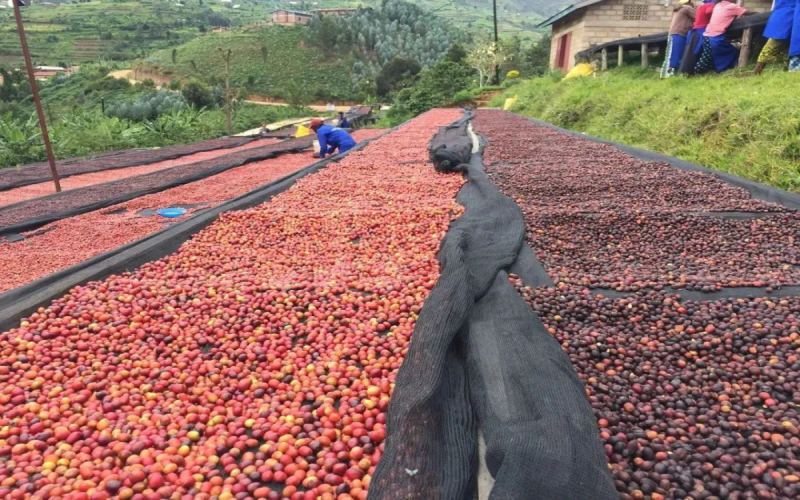
Where Does the Fruity Flavor of Ethiopian Coffee Come From? An Analysis Using Washed Yirgacheffe Beans as an Example
Ethiopian coffee is renowned for its rich floral and fruity aromas and bright fruit acidity, which stands in stark contrast to the bold, mellow profile people traditionally associate with coffee, making it the gateway choice for many enthusiasts entering the world of specialty coffee. So where exactly do the fruity flavors in Ethiopian coffee come from? This article will analyze the question from three angles—terroir, processing methods, and cultivation models—and use a washed Yirgacheffe bean as an example to illustrate how light roasting and pour-over brewing bring out jasmine, citrus, and berry notes. [more…]

Analysis of Costa Rican Coffee Varieties: Cultivation Characteristics and Origins of Villa Sarchi, H1, and Obata
Costa Rica is renowned worldwide for its high-quality Arabica coffee. Although its total production is limited, the country strictly guarantees coffee quality through legislation, making it the only country in the world that prohibits the cultivation of non-Arabica varieties. Initially, Caturra and Catuai were the main varieties, but the threat of leaf rust prompted Costa Rica to introduce and develop more new varieties. Today, in addition to Caturra and Catuai, varieties such as Villa Sarchi, H1, and Obata are gradually emerging. Front Street Coffee's entry-level selection series, Costa Rica Tarrazu coffee beans, uses Caturra and Catuai. After washed processing, they carry a slight fruity acidity, with flavors of sweet orange, nuts, and honey, and a smooth lingering sweetness. This article will provide a detailed introduction to the origins, characteristics, and cultivation performance of these varieties. [more…]

Arabica Coffee | What are the three main categories of coffee beans? What coffee variety is Yunnan coffee? Recommended Yunnan specialty coffee suitable for beginners
For professional coffee knowledge exchange and more coffee bean sharing, please follow Front Street Coffee (FrontStreet Coffee). In plant taxonomy, coffee belongs to the Rubiaceae family, under which there are at least over a hundred coffee species, with about eighty confirmed varieties of coffee trees, among which those used for drinking coffee [more…]